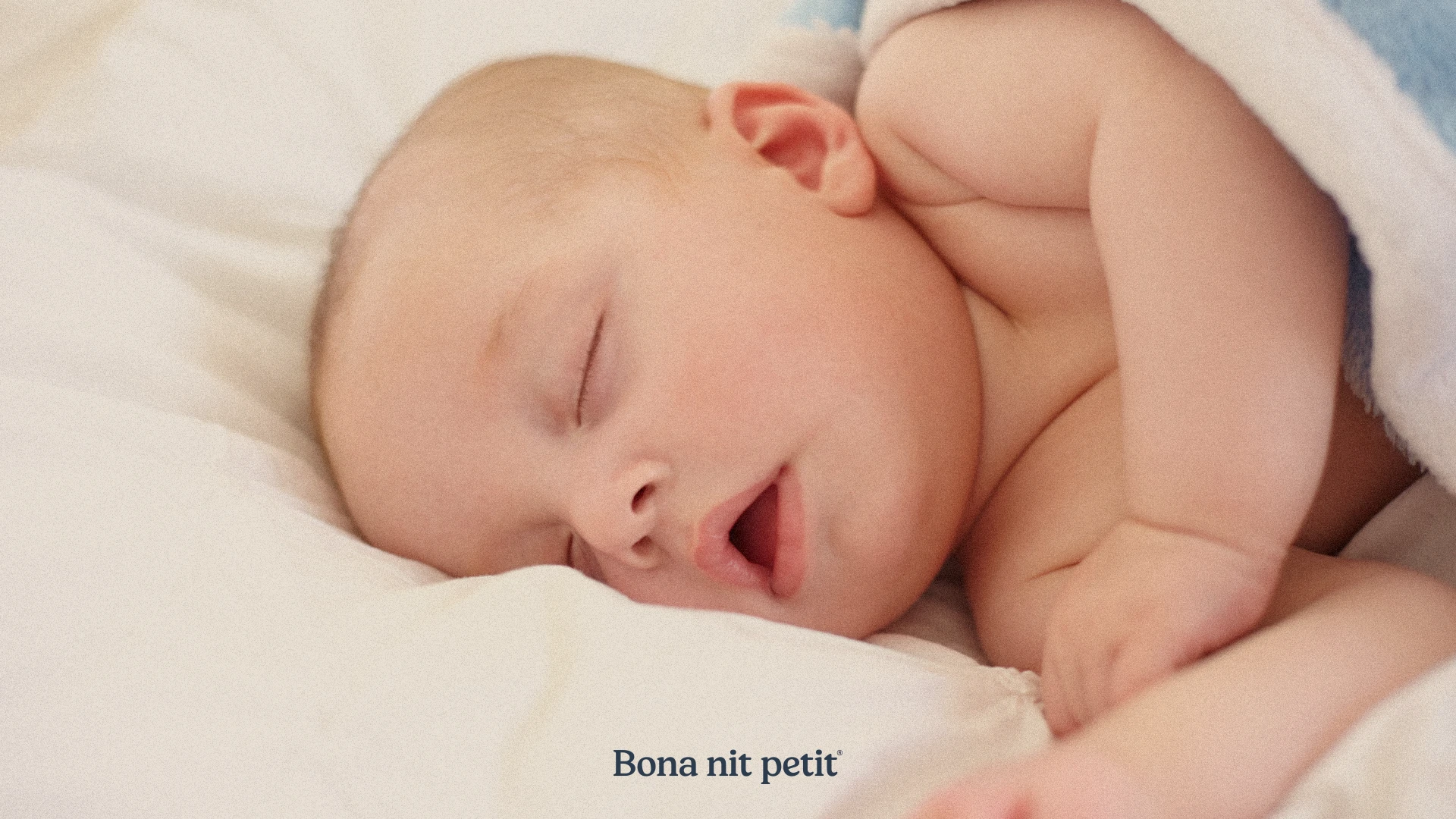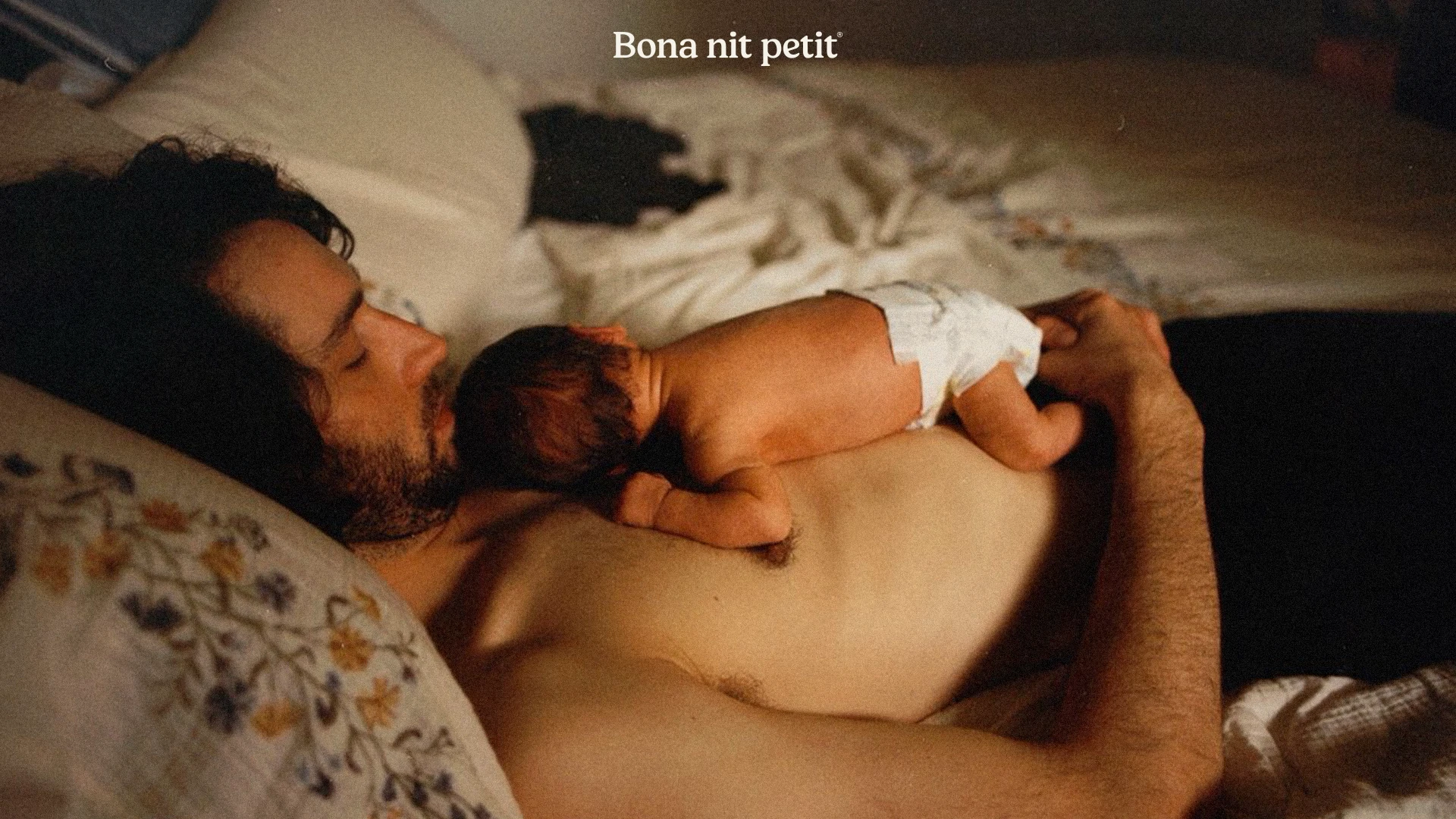
Sleep in the first months of life is a deeply biological process. Unlike adults, babies are not born with a fully developed sleep system. Their circadian rhythm, hormonal cycles, and self-regulation abilities gradually mature throughout the first year of life.
Research in infant neurodevelopment shows that during the early weeks, sleep is primarily regulated by homeostatic sleep pressure—the biological drive that builds the longer a baby stays awake. Over time, the circadian rhythm begins to develop as the nervous system matures and babies are exposed to environmental cues such as natural light.
Because infant sleep is still developing, parents often notice certain baby sleep cues that signal when their child is becoming overtired or when their sleep patterns are becoming misaligned.
In my work supporting families with infant sleep, three biological signals commonly indicate that a baby’s sleep system may be struggling.
1. Hyperactivity and Irritability: A Common Sign of an Overtired Baby
One of the most misunderstood baby sleep cues is sudden hyperactivity.
Many parents assume that if a baby looks energetic or restless, they must not be tired. In reality, this behavior can be a classic sign of an overtired baby.
When a baby stays awake beyond their natural wake window, the body can activate neuroendocrine systems associated with alertness. One of these mechanisms involves the release of cortisol, a hormone produced by the hypothalamic–pituitary–adrenal (HPA) axis.
Although cortisol rhythms are still developing during infancy, increased physiological activation can keep the body in a state of alertness even when sleep pressure is high.
Research on stress regulation in early childhood suggests that elevated physiological activation may make it harder for babies to fall asleep and can increase irritability.
Parents often notice the following behaviors:
- Increased fussiness
- Tense or rigid body movements
- Difficulty settling
- Paradoxical resistance to sleep
These signs are frequently mistaken for a baby not being tired yet, when they may actually indicate the opposite.
2. When a Baby Sleeps More During the Day Than at Night
Another common concern parents report is that their baby sleeps longer during the day but wakes frequently at night.
This pattern often reflects an immature or misaligned baby circadian rhythm.
The body’s internal clock is regulated by thesuprachiasmatic nucleus in the hypothalamus, which synchronizes physiological rhythms with the environmental light–dark cycle. In newborns, this system is still developing and relies heavily on external cues to mature.
One of the most important circadian cues is natural light exposure.
Studies have shown that consistent exposure to light during the day and darkness at night supports the development of a healthy infant circadian rhythm and may help babies gradually consolidate nighttime sleep.
Simple environmental adjustments can support this process:
- Providing morning sunlight exposure
- Keeping daytime environments bright and active
- Reducing lights and stimulation in the evening
These cues help a baby’s brain begin to distinguish between day and night.
3. Strong Sleep Associations and Frequent Night Wakings
Another factor that can influence infant sleep patterns is the development of strong sleep associations.
Sleep associations are conditions a baby learns to connect with falling asleep, such as being rocked, fed, or held.
Babies naturally move through sleep cycles that include transitions between active and quiet sleep. During these transitions, brief awakenings—called micro-arousals—can occur.
If a baby relies exclusively on a specific external condition to fall asleep, they may need that same condition each time they transition between sleep cycles. This can lead to frequent night wakings and difficulty returning to sleep independently.
Gradually supporting the development of self-soothing skills, within a responsive and secure caregiving environment, can help babies begin to connect sleep cycles more smoothly.
4. Infant Sleep Is a Developmental Process
One of the most important things parents can understand is that baby sleep is a developmental process, not simply a behavior that babies must learn immediately.
Several biological systems are maturing simultaneously, including:
- Circadian rhythm development
- Hormonal regulation of sleep and wakefulness
- Emerging self-regulation abilities
- Responsiveness to environmental cues
Because of this, one of the most valuable skills parents can develop is the ability to recognize their baby’s sleep cues.
Understanding these biological signals allows caregivers to make gentle adjustments to routines, wake windows, and environmental conditions, helping support healthier and more organized sleep patterns over time.