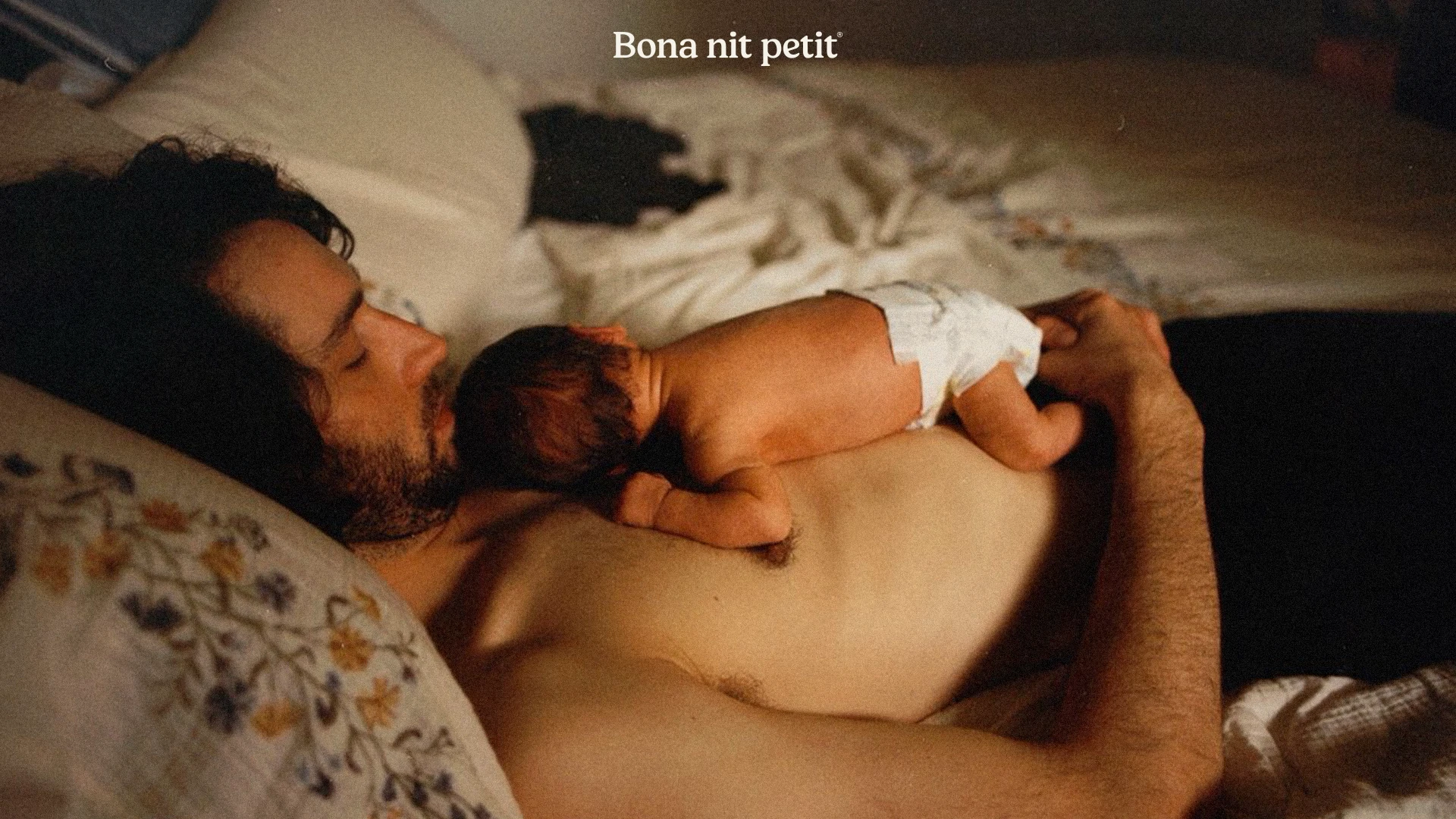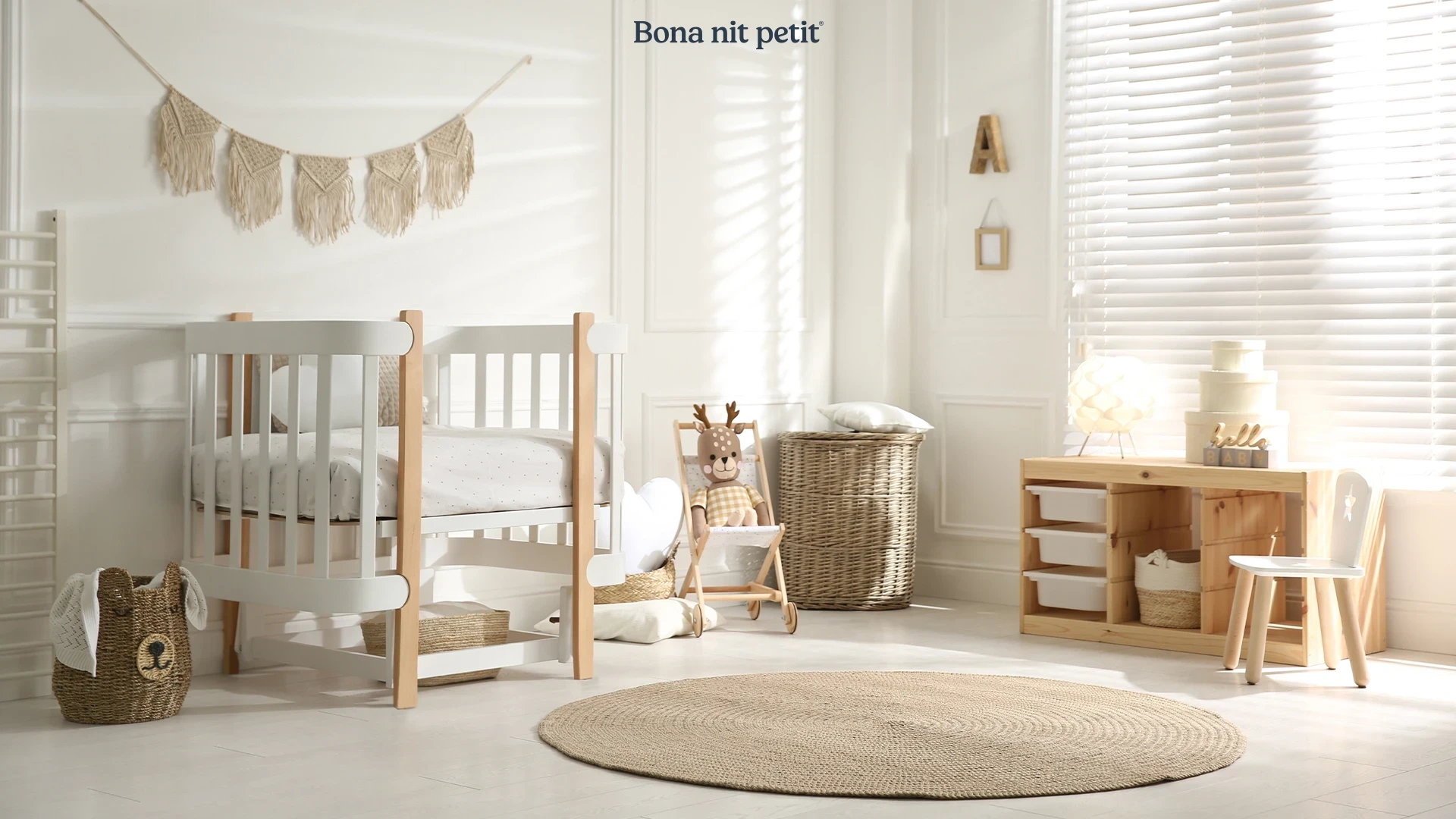
A baby does not experience a room as “beautiful” or “well-decorated.” Instead, they experience it as either regulating or dysregulating. Every element—light, touch, sound—sends continuous signals to their developing brain. This is where the concept of the neuroaesthetic nursery emerges: a space designed not only to look harmonious, but to actively support neurological well-being from the very beginning of life.
Leading specialists in early childhood development, particularly in cities like Los Ángeles, emphasize that the sensory environment plays a direct role in sleep quality, emotional regulation, and neural connectivity. In fact, the American Academy of Pediatrics has highlighted that the first months of life are especially sensitive to these external stimuli.
Light as a Biological Regulator
Lighting is often approached from a functional or aesthetic perspective, yet it is one of the most powerful modulators of the body’s biological rhythm.
Research from the National Institutes of Health has shown that specific wavelengths of light directly influence melatonin production—the hormone responsible for sleep regulation. Amber and red-toned lighting support restful states because they do not interfere with this hormonal process. In contrast, cool white lighting—particularly blue-rich LED light—can suppress melatonin and trigger alertness responses associated with cortisol.
In urban environments such as Los Ángeles, where artificial light exposure remains constant even after sunset, intentional lighting design becomes especially important. Incorporating warm, dimmable light sources is not simply a design choice; it is a meaningful intervention in your baby’s ability to rest and restore.
Touch as a Tool for Regulation
Touch is the first sense to develop and remains a primary channel for safety and regulation after birth.
From a sensory integration perspective, gentle and sustained pressure has a calming effect on the nervous system. Organizations such as the American Occupational Therapy Association support the use of appropriate tactile input to promote calm and self-regulation in infants.
Within this framework, textiles take on a far more intentional role. Organic, breathable fabrics with an appropriate weight can provide subtle containment, echoing the enveloping sensation of the womb. While this quality may feel almost imperceptible to an adult, it can significantly influence how a baby experiences their environment—making it feel less abrupt, more secure, and deeply comforting.
Sound and the Architecture of Rest
The auditory environment of a nursery also deserves a more refined approach. While white noise has become widely accepted as a sleep aid, it is not always the most optimal solution.
Emerging insights from auditory neuroscience point toward the benefits of brown noise, characterized by deeper, lower-frequency sounds. This type of sound more closely resembles the intrauterine environment and is particularly effective at masking unpredictable urban noise—such as traffic or sirens—without overstimulating the auditory cortex.
An Integrated Approach to the Nursery
The essence of a neuroaesthetic nursery lies not in individual elements, but in the harmony between them. Light, touch, and sound function as an interconnected system that the baby’s brain processes simultaneously.
When these elements are aligned, the environment can support the regulation of the autonomic nervous system, reduce overstimulation, and encourage more stable sleep patterns. Conversely, even subtle inconsistencies—a light that is too bright, a fabric that feels off, a poorly calibrated sound—can create conflicting signals that disrupt this balance.
Designing such a space requires a shift from aesthetic intuition to informed intention. It is about creating an environment that not only reflects beauty, but quietly and consistently supports your baby’s sense of safety, calm, and neurological balance.